Splunk Security Use Cases
A top challenge faced by security practitioners is double-edged: you’re trying to keep up with new and increasing cyberattacks — all while investigating and remediating existing threats.
As we know all too well, time is of the essence when you’re investigating threats and determining the scope and root-cause of a potential breach. On top of that pressure, you’re likely short on resources and experienced personnel, limiting your ability to conduct thorough investigations.
Solving cybersecurity challenges with Splunk
To mitigate these security challenges, Splunk offers key security use cases to help you better understand how Splunk security solutions can help! Our use cases provide practical ways for your organization to realize value quickly.
We don’t stop there, though: these use cases will also help your journey to mature your security operations, all with the goal of building digital resilience.
Security use cases with Splunk
The six Splunk security use cases are:
- Security monitoring
- Incident management
- Compliance
- Advanced threat detection
- Threat hunting
- Automation & orchestration
Let’s look briefly at each use case, and I’ll point you to more resources as we go.
Talk to Splunk security experts!
Security Monitoring
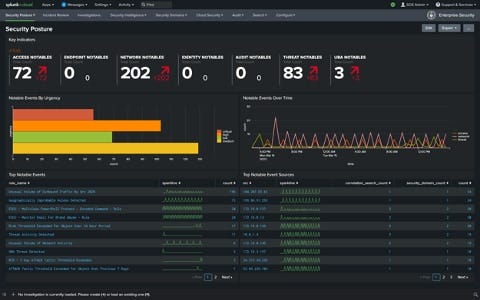
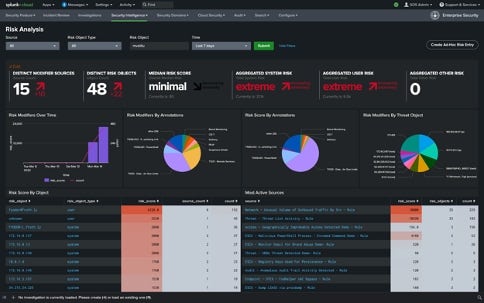
This use case is all about continuously monitoring your full environment in real-time with flexible, out-of-the-box options and customizable correlations. It’s continuous monitoring for security.
Incident Management
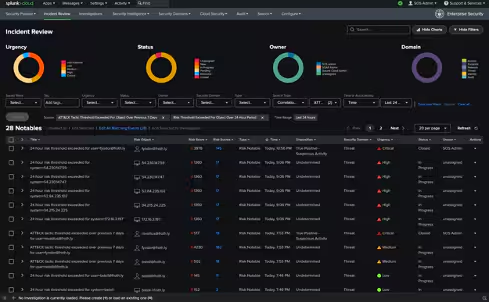
The Incident Management Use Case is all about shortening investigation cycles and quickly confirming high priority incidents with enhanced visualizations of risk thresholds, indicators and trends.
Compliance
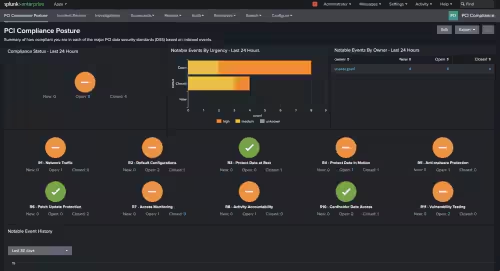
The Compliance Use Case is all about staying ahead of ever-evolving regulations, policies and business risks – while reducing operational overhead, errors and costs.
Advanced Threat Detection
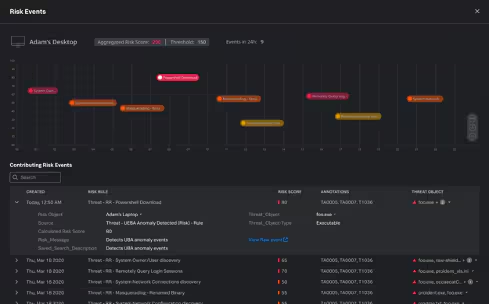
Rapidly detect a broad range of attacks and new threats through early and rapid behavior-based detections and correlations across disparate data sources.
Threat Hunting
Threat hunting is all about proactively uncovering advanced and sophisticated threats and remediate before an attack crosses the threshold of your organization.
- Understand the basics of threat hunting.
- Check out our Threat Hunting with Splunk Tutorial Series.
- Explore our new PEAK Threat Hunting Framework.
Automation & Orchestration
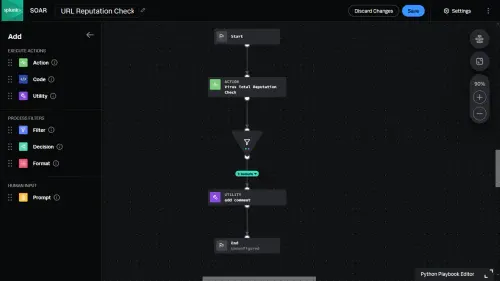
Automate repetitive tasks during an investigation and incident response process to enable security analysts to scale and focus valuable resources on mission critical tasks.
- Learn more about Automation & Orchestration with Splunk.
- Know the differences: automation vs. orchestration.
Splunk for cybersecurity
We are proud to be leaders in cybersecurity, earning recognition from Forrester, IDC and Gartner along the way. Every year we publish The State of Security, a look at security trends and challenges across the globe.
Best of all? Our world-class security experts including SURGe and the Splunk Threat Research Team are regularly researching, developing and promoting better use of technologies for enhanced, practical cybersecurity.
Learn more about Splunk or get in touch with us today!
Talk to Splunk security experts!
What is Splunk?
Related Articles

Staff Picks for Splunk Security Reading October 2021

Do Not Cross The 'RedLine' Stealer: Detections and Analysis